


Chainrings, sprockets, bolts
Bicycle Chainrings
The Velossimo.hu range includes chainrings, sprockets and chainring bolts for road, MTB, gravel, trekking and e-bike bicycles. Choosing the correct chainring is essential for drivetrain efficiency, gear ratios and shifting performance.
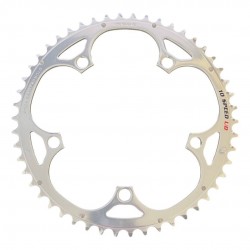
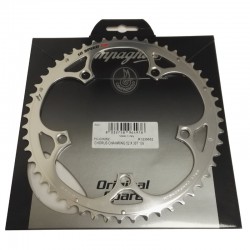
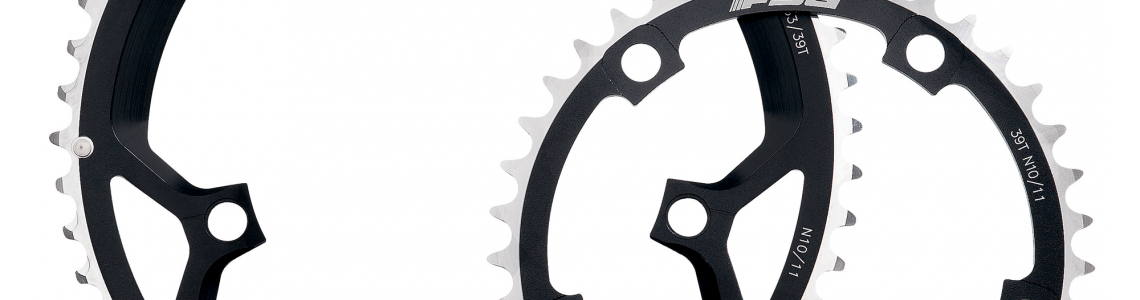
The chainring is one of the most important, yet often underestimated, components of a bicycle drivetrain. Mounted to the crankset, the toothed disc transfers the power generated during pedalling through the chain to the rear cassette. Its design, size and compatibility directly influence the bicycle’s gearing, pedalling efficiency and adaptability to different riding conditions.
Tooth Count and Gear Ratio
The most important technical parameter of a chainring is its tooth count (marked as T – Tooth). The higher the tooth count, the higher the possible gear ratio — providing greater speed potential but requiring more pedalling force. A smaller tooth count offers easier pedalling, which is beneficial on long climbs, technical terrain or during touring.
The gear ratio is calculated by dividing the number of teeth on the front chainring by the number of teeth on the rear sprocket. For example, a 50-tooth chainring combined with a 25-tooth rear sprocket results in a 2:1 gear ratio.
This ratio determines how “hard” or “easy” the drivetrain feels during riding.
Typical tooth count ranges:
- MTB and gravel: 28–42T
- Road bike systems: 46–53T
- Trekking and city bikes: 38–48T
1x, 2x and 3x Drivetrain Systems
Single chainring (1x) systems are now the most common solution on MTB and gravel bicycles. They eliminate the front derailleur and additional chainring, resulting in a simpler, lighter and more reliable drivetrain.
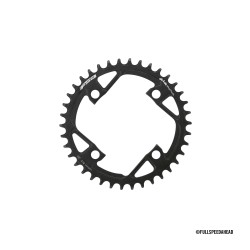
1x systems almost exclusively use Narrow-Wide chainrings. The alternating narrow and wide tooth profile improves chain retention and prevents chain drops during rough terrain riding. The disadvantage is the narrower gear range, making the correct tooth count selection especially important.
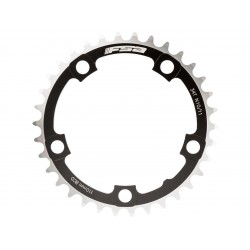
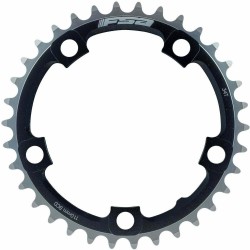
Double chainring (2x) systems are mainly used on road and gravel bicycles, offering a wide gear range with smaller jumps between gears.
Typical road bike combinations:
- 50/34T (Compact, ideal for general riding and climbing)
- 52/36T (Semi Compact, sporty compromise)
- 53/39T (Standard, designed for racing)
Common gravel combinations:
- 46/30T
- 48/32T
Triple chainring (3x) systems are now mainly found on older MTB, trekking and touring bicycles. They offer the widest gear range but come with increased weight and more complex adjustment requirements.
Common combinations:
- 48/36/26T
- 44/32/22T
Mounting Standards
Before purchasing a chainring, it is essential to check the crankset mounting standard, as systems are not always interchangeable.
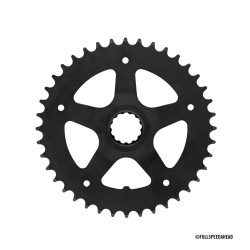
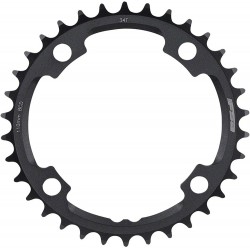
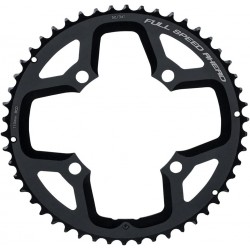
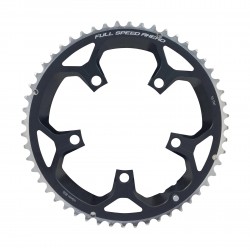
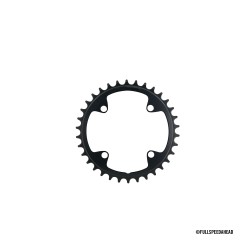
BCD (Bolt Circle Diameter) refers to the diameter of the circle formed by the chainring mounting bolts.
Common standards:
- Road systems: 110 BCD, 130 BCD
- MTB systems: 64 BCD, 96 BCD, 104 BCD
- Older systems: 74 BCD, 94 BCD
Without the correct BCD measurement, the chainring cannot physically be installed on the crankset.
Direct Mount Chainrings
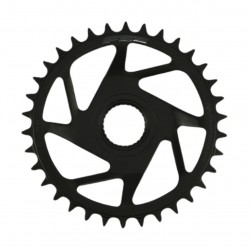
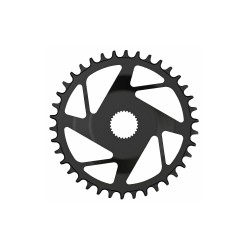
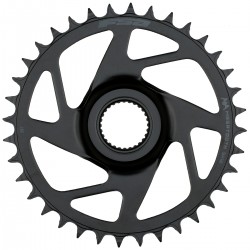
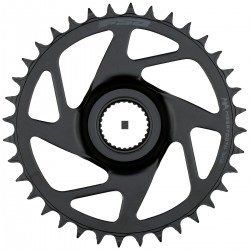
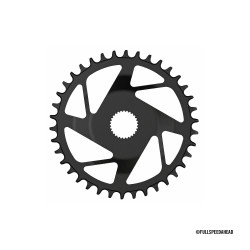
Many modern cranksets use a Direct Mount design, where the chainring attaches directly to the crank arm without the need for a separate spider.
Advantages:
- lower weight
- increased stiffness
- faster replacement
- simpler construction
Common Direct Mount systems:
- SRAM Direct Mount
- Shimano Direct Mount
- FSA Direct Mount
- Praxis Direct Mount
- Race Face Cinch
It is important to note that Direct Mount standards from different manufacturers are generally not cross-compatible.
Chainline
The chainline indicates the position of the chainring in relation to the centre line of the bicycle.
An incorrect chainline can result in:
- reduced shifting accuracy
- increased component wear
- higher chain stress
- reduced drivetrain efficiency
Typical values:
- Road bicycles: 43.5–44.5 mm
- Gravel bicycles: 45–47 mm
- MTB bicycles: 49 mm
- Boost systems: around 52 mm
- Super Boost systems: around 55 mm
Material Quality
The most common chainring material is aluminium, with premium models typically manufactured from 7075-T6 aluminium alloy, offering an excellent balance between weight, stiffness and durability.
Steel chainrings are more affordable and extremely durable, mainly used on trekking and entry-level bicycles.
Titanium chainrings represent one of the lightest and most durable solutions available, but they are also among the most expensive options.
Compatibility Check Before Purchase
Before purchasing a chainring, always check:
- crankset type and BCD/Direct Mount standard
- number of chainrings (1x, 2x, 3x)
- tooth count
- drivetrain speed compatibility
- chainline
- need for Narrow-Wide design (mainly for 1x systems)
Choosing the correct chainring not only improves drivetrain performance but also optimises pedalling efficiency, reduces wear and ensures reliable operation over the long term.